
Hearing loss has been medically labelled into four degrees—these range from mild to severe. In a mild condition, you are able to hear some speeches but you experience challenges with hearing soft sounds. In a moderate condition, you will have a hard time trying to hear and understand people talking at an average level. In severe cases, you barely hear any speech at a normal level. You only hear loud sounds. In a profound loss of hearing situation, you can only hear loud noises and no speech.
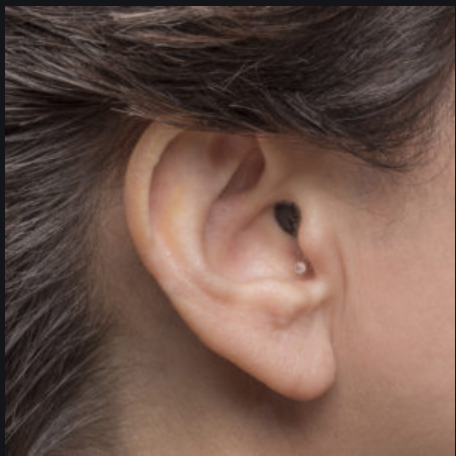
You can consider using an invisible hearing aid to address mild to moderate hearing loss degrees. For severe and profound loss of hearing, you can visit an audiologist to assess the condition and make a recommendation on the best type of hearing aid that you can consider. Various factors can lead to loss of hearing. These are:
The inner ear gets damaged: This can be as a result of ageing or when exposed to loud noises which result in wear and tear on the hairs in the ear as well as the nerves in the cochlea responsible for sending sound waves to the brain. The electrical signals fail to be transmitted efficiently when the hairs or nerve cells are injured or missing.
Abnormal growths or tumors or ear infections: If any of these conditions occur in the inner ear or outer ear, hearing loss can occur. Treating those conditions through medication or surgery resolves the condition.
Rupturing the eardrum: Sudden pressure to the ear, or using an object to poke the ear, infection, as well as loud blasts, can cause your eardrum to rupture. This leads to loss of hearing. You can use a discreet hearing aid to improve your hearing.
Wax buildup: A wax buildup can cause hearing loss by preventing conduction of the sound waves. You can resolve the issue by removing the wax.